


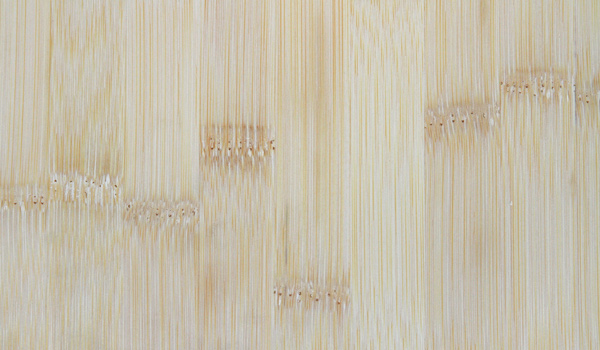
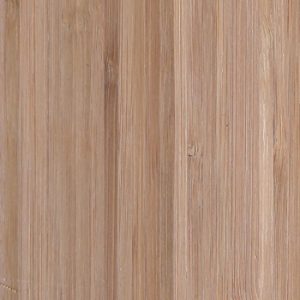
Horizontal Grain Natural Bamboo Plywood 4′ X 8′, 3-Ply – Natural Bamboo Plywood Panel for Furniture, Cabinets & Woodworking
Bamboo Panels – Solid & Strand Woven Bamboo Plywood Sheets for Furniture, Cabinets & Interior Projects
Overview
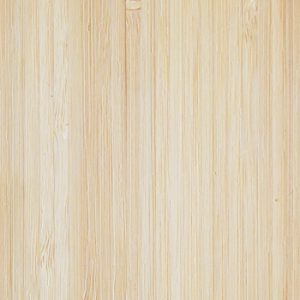
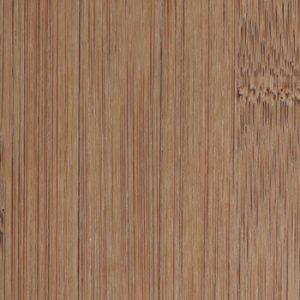
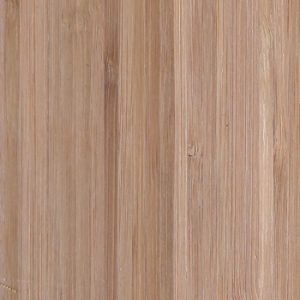
These unfinished bamboo panels and bamboo plywood sheets are manufactured from solid bamboo or strand woven bamboo and are available in natural or carbonized colors. The panels are available in several grain patterns including vertical grain, horizontal grain, tiger grain, and braided grain, making them suitable for a wide range of furniture and architectural interior projects.
Bamboo panels are commonly referred to as bamboo plywood sheets, bamboo boards, bamboo furniture boards, bamboo countertop panels, bamboo cabinet panels, or bamboo woodworking boards. These panels are widely used for furniture manufacturing, shelving, cabinetry, table tops, countertops, and interior woodworking projects.
Because of their durability, strength, and natural appearance, bamboo panels are often chosen as a sustainable alternative to hardwood panels.
Product Composition
Bamboo panels are produced by bleaching or kiln-drying bamboo strips and laminating them together to form single-ply or multi-ply panels. This lamination process creates strong bamboo plywood boards suitable for furniture and interior construction.
Bamboo Material Information
Latin Name: Phyllostachys Pubescens
Also known as Moso bamboo or Mao bamboo.
Bamboo is technically a grass rather than a tree, but it behaves like a woody plant. It is one of the fastest-growing natural building materials in the world.
Moso bamboo typically matures in 4–6 years, making it significantly more renewable than traditional hardwood trees. The underground root system continuously produces new shoots each rainy season, allowing bamboo forests to regenerate naturally.
Because of this rapid growth cycle, bamboo is widely recognized as a sustainable and environmentally responsible material used in furniture, construction, and interior design.
Density and Physical Properties
• Solid bamboo density: approximately 650 kg/m³
• Strand woven bamboo density: approximately 950 kg/m³
• Moisture content: 8–14%
Strand woven bamboo panels provide greater density and hardness compared with traditional bamboo panels.
Common Applications
Bamboo panels are widely used for:
• Furniture manufacturing
• Table tops and countertops
• Cabinet panels and shelving
• Furniture surfacing and veneers
• Interior wall panels
• Custom woodworking and DIY projects
Their durability and natural grain patterns make bamboo panels ideal for modern furniture, cabinetry, architectural interiors, and decorative design projects.
Hazard Identification
Appearance and Odor
Natural or carbonized bamboo fiber with little to no odor.
Primary Health Hazards
Dust particles may be generated during machining processes such as cutting, sanding, drilling, routing, or shaping bamboo panels.
Primary Routes of Exposure
• Dust inhalation
• Eye contact
Medical Conditions Generally Aggravated by Exposure
Individuals with respiratory conditions or allergies may experience irritation when exposed to bamboo dust.
Chronic Health Hazard
Bamboo dust has not been associated with long-term chronic respiratory conditions.
Emergency and First-Aid Procedures
Eye Contact
Bamboo dust may cause mechanical irritation if it enters the eyes. Treat the dust as a foreign object and flush the eyes thoroughly with clean water several times. Seek medical attention if irritation persists.
Note: No warranty on products sold.
How Bamboo Panels Are Commonly Used
Customers searching for bamboo panels often use them for:
• Bamboo furniture panels
• Bamboo countertop boards
• Bamboo plywood sheets for cabinets
• Bamboo woodworking boards
• Bamboo shelving panels
• Bamboo wall panels
• Bamboo furniture boards
Because of their strength and appearance, bamboo panels are commonly used in modern kitchens, furniture making, interior wall designs, and custom cabinetry.
Bamboo Panels vs Traditional Hardwood
Many furniture manufacturers and builders choose bamboo because:
• Bamboo grows much faster than hardwood trees
• Bamboo panels offer excellent strength and durability
• Bamboo provides a modern natural grain appearance
• Bamboo is considered an environmentally responsible material
Frequently Asked Questions
What are bamboo panels used for?
Bamboo panels are used for furniture, cabinets, shelving, table tops, countertops, and interior woodworking projects.
Are bamboo panels strong?
Yes. Bamboo plywood panels are strong and stable. Strand woven bamboo panels are even denser and harder than many hardwood panels.
Is bamboo environmentally friendly?
Yes. Moso bamboo grows rapidly and matures in about 4–6 years, making it one of the most renewable building materials available.
| Weight | 90 lbs |
|---|---|
| Dimensions | 8 × 4 in |
| Color | Natural |
| Installation Location | Commercial, Interior, Residential |
| Thickness | 3/4" |
| Price/Box | $717.03 |
| Unit of Measurement | Pc |
| Finish | Unfinished |
| Material | Bamboo |
| Size | 4 X 8 |
| Ply | 3-ply |
| Application | Cabinetry, Countertops, Furniture, Millwork, Shelving, Wall Panels |
| Sold as | Sheets |
| Pack size | 2 Sheets |
Reviews
There are no reviews yet.